The absence of a loved one can be a painful feeling one cannot begin to describe. Loving someone when you are locked away can be difficult to come to terms with, while you have lost the right to freedom, your loved ones still have to live and move on from you. The real punishment a convict faces is the reality of losing valuable time with the people they cherish, something they can never get back. However, we must remember why they are there in the first place! Murderes, thieves, rapists, an endless list of crimes these men would have committed. Despite these actions, humans have an intuitive need and longing for love. The idea of a love token can reveal the feeling of hope and a promise to oneself of reuniting with their loved ones and remembering them during their hardest days, giving them the little bit of motivation to persevere. It is a sentimental act of love, a meaningful memento to latch onto. On the contrary, it can also be perceived as a parting gift, thus, the concept of a love token can leave a doleful feeling, a deep reality that these prisoners were likely to never see their loved ones again. It can also express the desperation of wanting to be remembered, a plea from the convicts for their loved ones to not forget them. 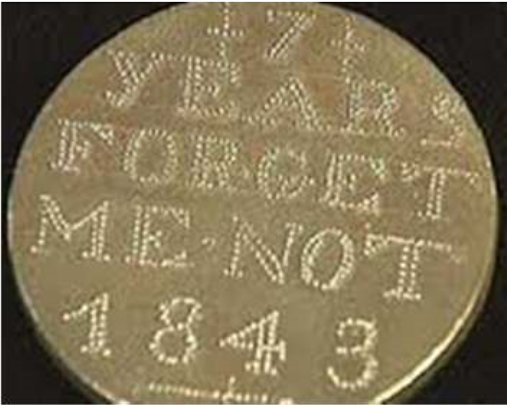
This particular token states ‘7 years forget me not 1843’, love tokens would often mention the date and years of imprisonment to remind their loved ones of the long wait, but the token is essentially a reminder of their existence, an object that will hold the memories and feelings attatched to a convict. Furthermore, love tokens were a way in getting a closer look at the experiences of prisoners, it gives us an insight on how they tried to connect with their family and friends. This tradition had only become a popular practice during the 1600s. They had indicated that ‘sentimentality, nostalgia and romance were pervasive in material culture even before the high Victorian period; a time seen as particularly synonymous with these sentiments, permeating as they did all aspects of cultural production from literature and the arts to the popular press’. (Donnelly p.25) This demonstrates how the result of separation and isolation causes the desperate need of being remembered and a fear of being left alone; being forgotten would ultimately drive one to feel an overwhelming sense of loneliness. Further acts of sentimentality would include tattoos, convicts would tattoo the names of their loved ones to serve as a constant memory of them.
The British Penal Settlements had operated between the years 1615–1945. One of the popular locations British convicts were transported to was Australia, with a total of 164,000 convicted Britons. This was due to the British colonisation of Australia and its spacious land, making it ideal and convenient f to exile prisoners there and transporting them via fleets.
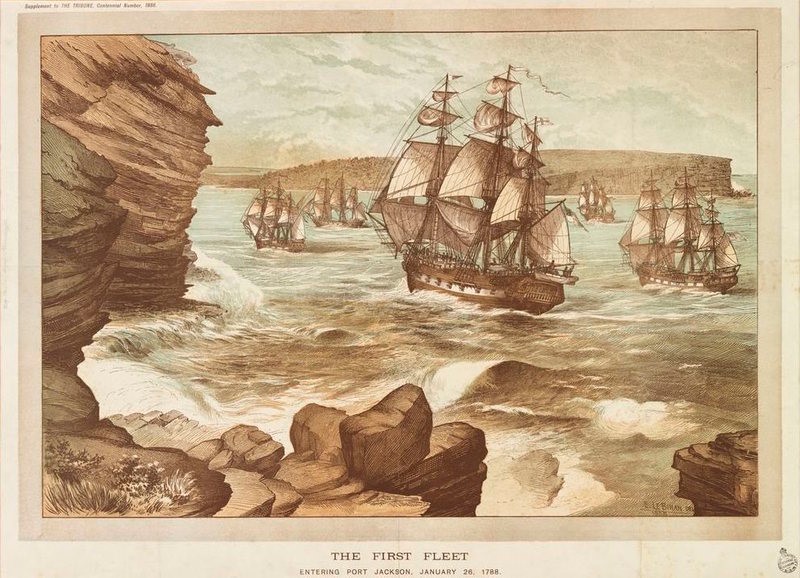
Thomas Tilley was a first fleet convict, he was indicted before the ‘Staffordshire Summer Assizers’ in 1786 and was found guilty of theft and sentenced for seven years transportation due to the loss of the American colonies. He was locked away in hazardous rat infected naval ships and then moved to the botany bay on the transport to Alexandria. Tilley was a convict who wanted to be remembered, to leave a keepsake for the people he loved so they would think about him. He had used a smoothed coin and engraved a bird that was chained from its neck to the ground. This perhaps represented how Tilley had felt under his conditions. A bird is usually the epitome of freedom, having the power to freely soar the skies with no restrictions. Although, the imagery of chained bird perfectly encapsulates Tilley’s position, the freedom he once had has been stripped away. On the other side of the token was his name, the date of his transportation and his location. The import
Most of the love tokens are held in museums in Australia were people are able to see the history of its convict inhabitants, the most popular museum which holds an amount of 314 tokens is the National Museum of Australia, which is located in Canberra. With these collections of love tokens, they also hold the stories of some of these convicts.
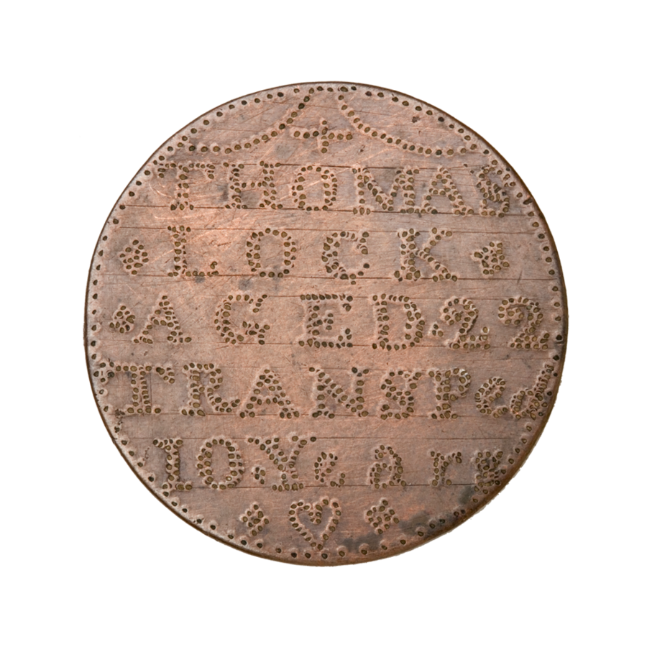
Thomas Lock is another prisoner who had made a love token. He was sentenced to 10 years of transportation in 1845 for the crimes of highway robbery and stealing. Not only did he make love tokens, but he had also tattooed his family’s name onto his body. He was a man who valued family being a husband and having four siblings, it would have been difficult to be cut off from their lives. Albeit, Lock was a rebellious convict, he was known to numerously break the conditions of his sentence in Australia and was severely punished through actions such as lashings and isolation through solitary confinements. Since he was sentenced for an extremely long time, perhaps he didn’t have anything else to lose. Despite his severe punishments, and 10-year sentence, he committed more crimes, he had stolen two sheep’s and was ultimately given a life sentence, but fortunately later received a conditional pardon in 1858. When looking at the meaning of making a love token, you would expect it to be a hope and motivation for the prisoner to try and learn from their crimes and behave in order to reunite with their loved ones, but this clearly was not the case for some convicts like Thomas lock. Furthermore, while researching about this form of punishment in a remote location, you would question was this a successful way in punishing and disciplining convicts, or did it just anger and frustrate prisoners further? And were their mementoes the only thing keeping them strong? Thomas Lock seems to be an example of a failed convict who was not properly disciplined for the better.
Abraham Lawley was sent another convict who had been sent to Australia, he was imprisoned for the crime of stealing a handkerchief, however, he had previously been convicted for another crime and had served two years in prison. He was listed for insolvency and last recorded at Port Macquarie in 1871 where he was on trial for four counts of larceny. He had made his own love token which differs to the previous ones I have mentioned.
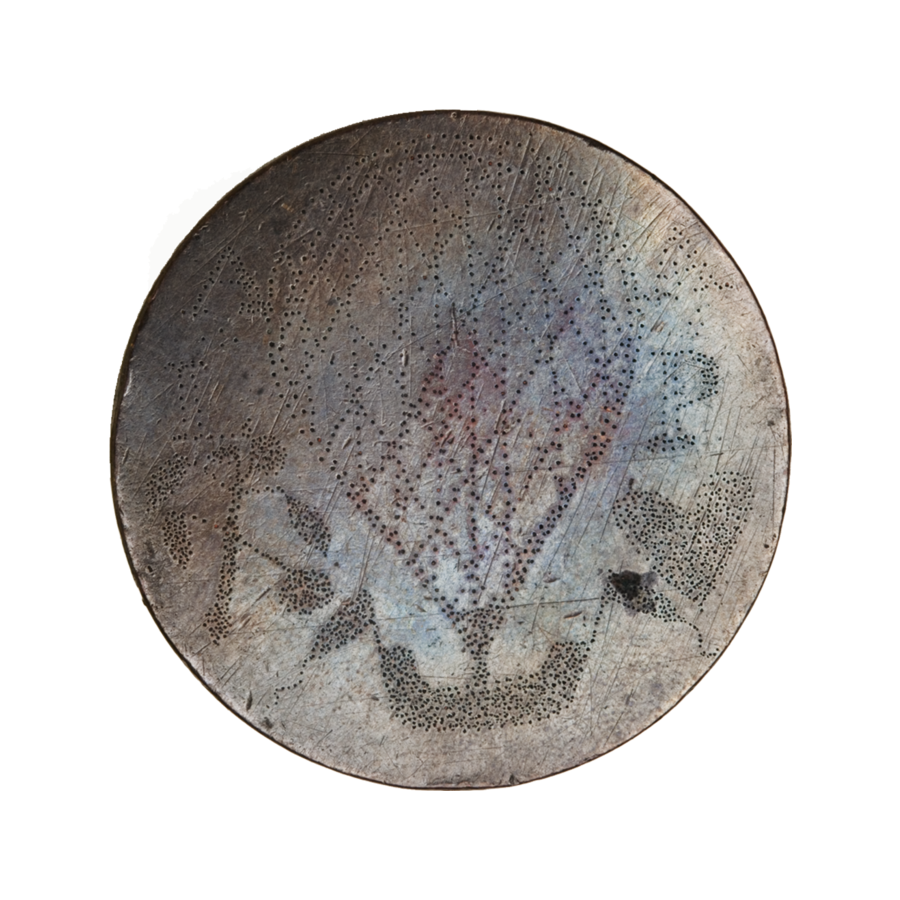
These mementoes essentially portray the vulnerable side of these prisoners, despite having committed crimes and defying the laws of society. Exploring these mementos is a way to show the core human emotion which is that every person desires the feeling of being loved and having the comfort of family. Loneliness and isolation is a feeling unnatural to humans. People thr
these mementoes for the people they cherish make you feel touched and empathetic, as they represent the love and emotion these prisoners had felt.
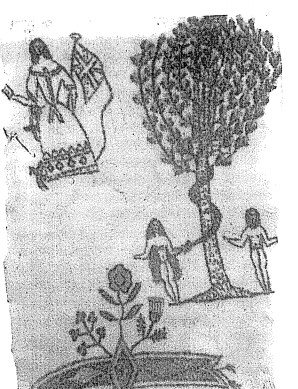
This picture shows a piece of skin which is representing a more religious theme of tattoos, it is depicting the garden of Eden which may be symbolism for paradise, virtue and sin.
Some prisoners took an extra step as to getting sentimental tattoos. Bodily art has always been a way of expression dating back thousands of years ago. Tattoos were first discovered on mummified corpses; ‘anthropologists and ethnographers have noted the ritual and magical significance of personal tattoos worn simply as decorative statements by a wide cross-section of men and women in western societies’ (p. 2). This was a popular way in remembering and honouring loved ones. The permanency of the action emphasises the devotion and commitment the prisoners had for their loved ones. Moreover, this act is similar to the love tokens in the sense it is a permanent marking on both a piece of coin and skin, the sentimental gesture is still there.
Mementos were a final act of love. The last way to show their love to their family, the last gift they could ever give. This sentimental gesture was used by many convicts as they could not guarantee their return home, this was because of the possibility of an extended sentence such as the case of Thomas Lock, or the dangers of being on a fleet, convicts were gambling on a safe transportation as casualties were inevitable. Reading about these convicts and the tokens and sentimental mementos they made is essential in understanding the historical context of
bibliography
Donnelly, Paul, ‘“When This You See Remember Me”: Convict Love Tokens and Related Keepsakes’. Australian Victorian Studies Journal 3.1 (1997), pp. 23-37 (pdf on BB)
Skin Deep Devotions Religious Tattoos
The Parting Gifts Convicts Gave Loved Ones Before Being Shipped to Australia
 voices from the inside